Introduction
You can usually tell when storm season is getting close in Central Florida before the weather apps even start talking about it. The afternoons feel heavier. Rain rolls in fast, disappears, then comes back two hours later like it forgot something. Trees start soaking all of that up long before homeowners notice there is actually a problem.
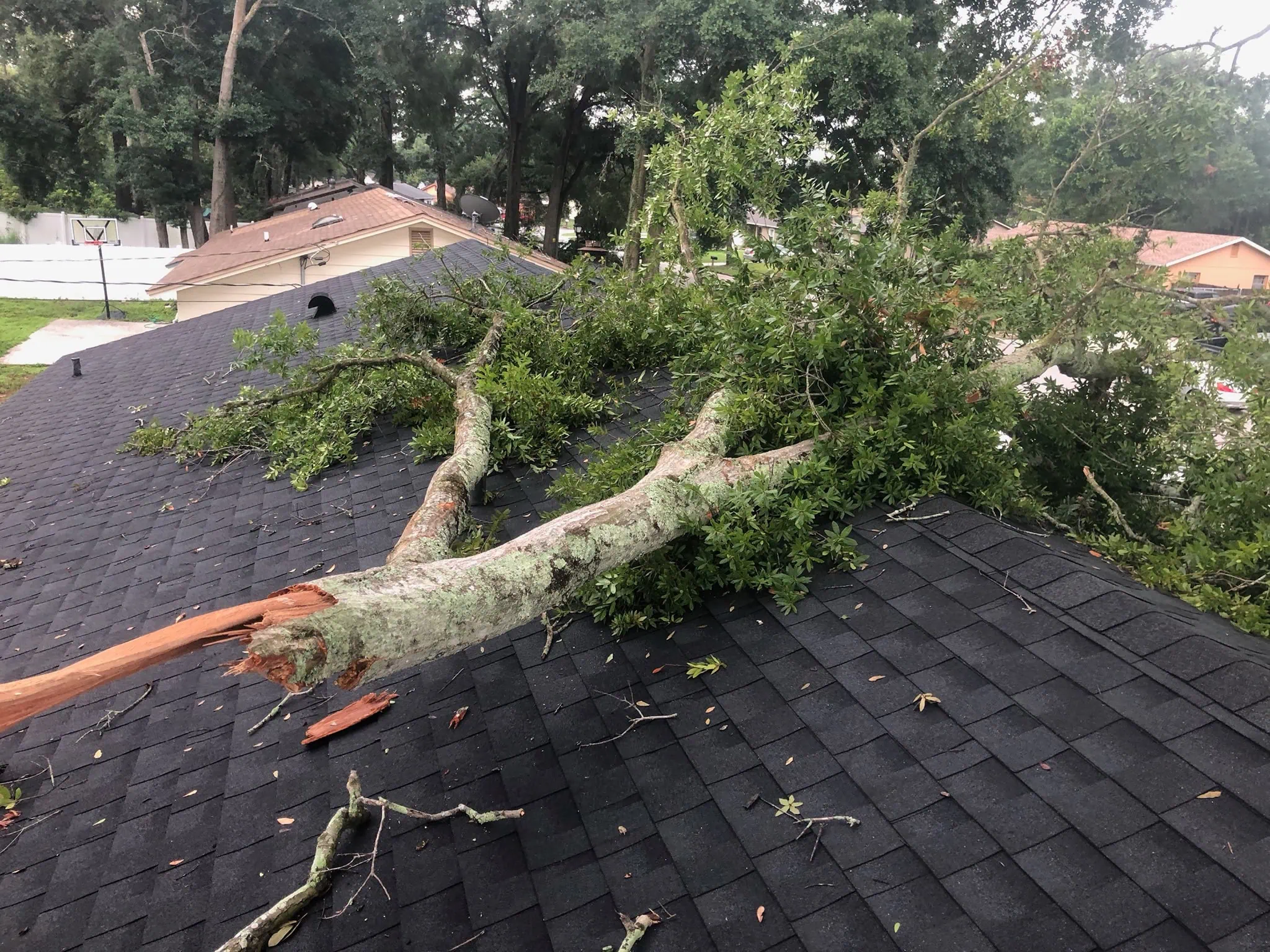
A lot of emergency tree calls around Orlando and Seminole County happen after storms, obviously. But honestly, many of those trees were already struggling weeks beforehand. The storm was just the final push.
That is one thing crews at All Southern Outdoor see all the time around Casselberry, Winter Park, Longwood, and nearby areas. Homeowners are often surprised by which trees fail and which ones make it through perfectly fine. Sometimes the healthiest-looking tree in the yard is carrying hidden problems nobody noticed from the ground.
Florida weather is rough on trees in ways people do not always think about until something ends up leaning over the driveway at 2 a.m.
It Usually Starts Underground First
Most people focus on branches during storms. Wind, broken limbs, hanging debris. That kind of thing.
But root systems are usually where the real trouble starts.
Central Florida gets long stretches of saturated soil during storm season. The ground softens slowly over days, sometimes weeks, and large trees begin losing stability underneath before anything obvious shows up above ground.
You especially see this with mature oaks around older neighborhoods near Maitland and Altamonte Springs. Big canopies catch a huge amount of wind once storms move through, and weakened root systems cannot always keep up with the weight anymore.
Then suddenly the entire tree shifts overnight.
Sometimes only a few inches at first.
That is the part homeowners miss
Trees Can Look Fine Right Before They Fail
This catches people off guard constantly.
A tree does not always look dead or diseased before becoming dangerous. Some trees still leaf out normally even while internal decay spreads through the trunk. Others develop stress cracks homeowners never notice because they sit thirty feet above the ground.
After heavy Florida rain, weakened trees start carrying extra weight too. Wet limbs get heavier. Soil loses grip. Wind pressure increases. It all stacks together.
Crews doing emergency tree removal around Orlando neighborhoods hear the same sentence pretty often afterward:
“It looked completely fine yesterday.”
A lot of the time, it probably did.
Palm Trees and Oaks Handle Storms Very Differently
Florida yards usually have a mix of tree types, and they do not all respond to storms the same way.
Palms tend to flex more during wind events, which helps them survive conditions that would split other species apart. Large oaks are different. Their canopy spread creates much more resistance during heavy gusts.
Water oaks especially can become unpredictable once they age.
Around Winter Springs and Sanford, there are plenty of older neighborhoods where mature trees were planted decades ago before homes, sidewalks, and driveways expanded around them. Over time, root systems get boxed in tighter and tighter.
Then one strong storm season exposes the weakness.
It is not always dramatic either. Sometimes the tree just starts leaning slightly and keeps moving over several weeks.
Small Warning Signs Usually Show Up First
Homeowners tend to wait for obvious damage before calling someone out. But smaller signs usually appear first if you know what to watch for.
Things like:
- fresh cracks near the base
- exposed roots lifting upward
- mushrooms around the trunk
- sudden thinning in the canopy
- branches dropping during calm weather
- soil pulling upward on one side
One thing crews notice around Seminole County is how often people ignore repeated branch drop. A healthy tree should not constantly shed large limbs for no reason.
That is usually the tree telling you something changed internally.
Emergency Tree Situations Get More Dangerous at Night
This part honestly deserves more attention than it gets.
Storm calls in the middle of the night are usually far riskier than daytime removals. Visibility drops. Saturated ground makes equipment positioning harder. Trees are still shifting from ongoing wind pressure. Utility hazards become tougher to spot.
Sometimes homeowners walk outside with flashlights trying to inspect damage themselves before crews arrive. That is understandable, but it can get dangerous quickly around split trunks or hanging limbs.
Especially after lightning storms.
All Southern Outdoor handles emergency tree removal throughout Orange and Seminole Counties, and a lot of those calls happen while weather is still moving through the area.
That is why experienced crews slow things down and assess carefully first instead of rushing directly into cutting.
Trimming Helps More Than People Think
A properly maintained tree usually handles storms better. Not perfectly, obviously. But balanced weight distribution and healthy branch spacing make a real difference once wind speeds pick up.
Overgrown limbs create extra sail effect during storms. Weak branch unions become pressure points. Deadwood turns into projectiles once heavy gusts arrive.
Tree pruning is one of those things homeowners often postpone because the tree still “looks okay.” Then hurricane season shows up and suddenly the overhanging branch above the roof feels a lot more important.
That happens constantly around Lake Mary and Oviedo after summer storms start rolling in regularly.
Cleanup Matters Too
One thing homeowners remember after a stressful tree situation is whether the property felt manageable again afterward.
Debris piles, broken fencing, sawdust, scattered branches, damaged landscaping. That stuff adds stress fast after storms already disrupted everything else.
All Southern Outdoor puts a big focus on complete cleanup because honestly, people are already overwhelmed enough during emergency situations. Leaving a property halfway cleaned usually creates more frustration than the tree itself did.
Especially when insurance claims get involved afterward.
Frequently Asked Questions
Q1: What are common signs a tree may fail during storm season?
Leaning, exposed roots, cracking sounds, dead branches, and thinning canopies are all warning signs. All Southern Outdoor helps homeowners across Orlando and Seminole County inspect trees before storm season becomes a bigger problem.
Q2: Can healthy-looking trees still fall during storms?
Yes, absolutely. Internal decay or root instability is not always visible from the outside. All Southern Outdoor responds to emergency tree situations throughout Central Florida involving trees that appeared healthy beforehand.
Q3: Does tree trimming help prevent storm damage?
It can reduce risk significantly. Proper pruning improves branch spacing and removes weak or dead growth before storms arrive. All Southern Outdoor provides tree trimming services throughout Orange and Seminole Counties.
Q4: Should leaning trees always be removed?
Not always. Some trees can still be stabilized depending on the species and severity. All Southern Outdoor performs tree inspections throughout the Orlando area to determine the safest option.
Q5: Do you help with insurance claims after storm damage?
Yes. All Southern Outdoor assists homeowners throughout Central Florida with tree-related insurance claims and documentation after storm damage occurs.
All Southern Outdoor Is Ready When Florida Weather Turns Fast
Storm season has a way of showing weaknesses people did not realize were there yet. Trees that looked stable in spring can change quickly once heavy rain, wind, and saturated soil start stacking together across Central Florida.
All Southern Outdoor provides emergency tree removal, tree trimming, inspections, and storm cleanup throughout Casselberry, Orlando, Winter Park, Lake Mary, Sanford, and surrounding Orange and Seminole County communities.
If something about a tree on your property feels off, it is usually worth getting it checked before the next storm rolls through.
Call All Southern Outdoor today at (407) 630-8674 or (407) 470-6957 for a FREE estimate.