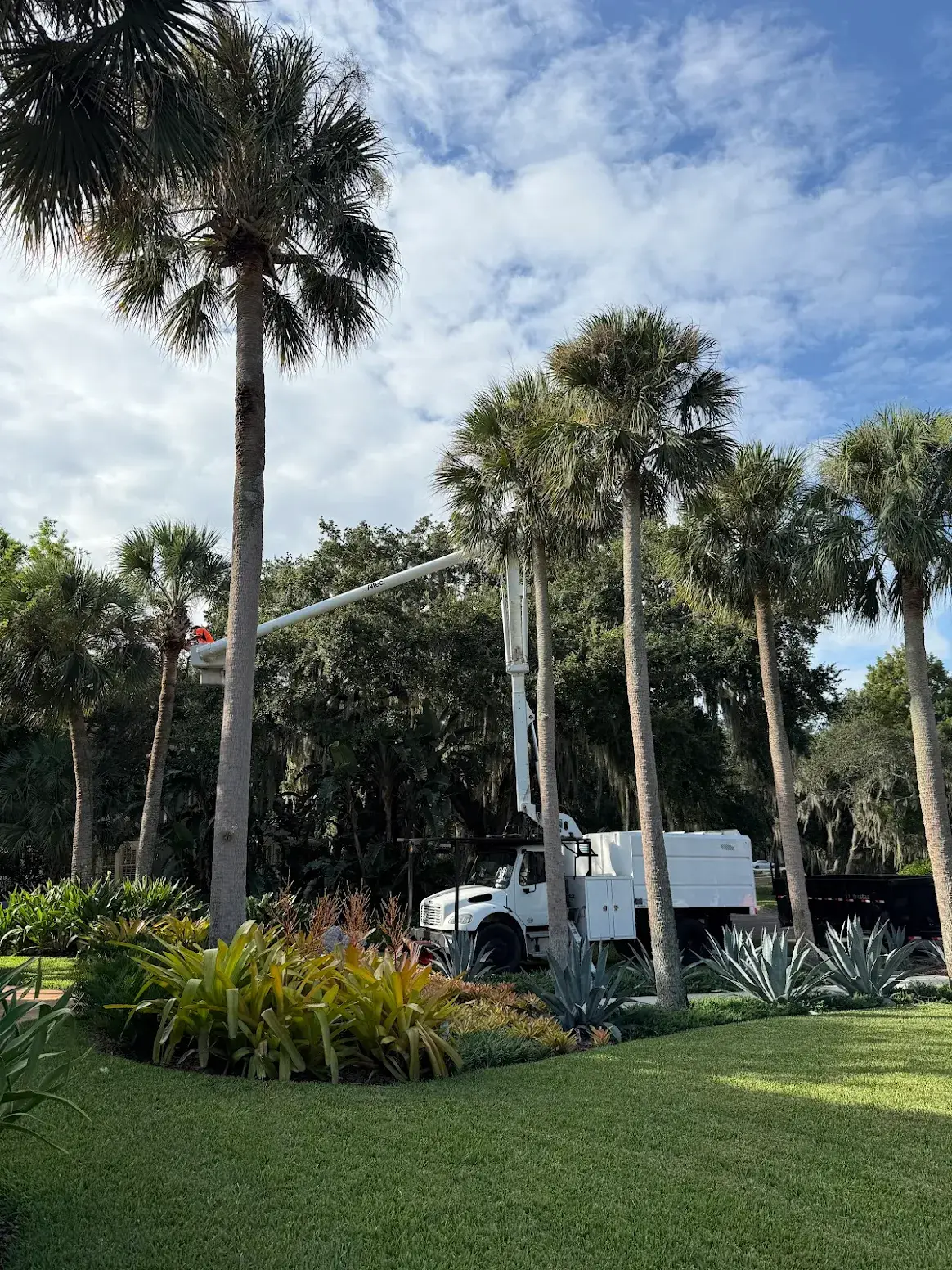
Spring growth starts fast. One week your trees look quiet, then buds pop and branches fill out. Problems hide once leaves show up, so this is the time to look closely and fix what needs fixing.
Here’s what to look for if you’re wondering about tree trimming before spring. A few signs are obvious. Others hide until leaves come in. We’ll break it down so you can tell the difference. This is the same kind of walk-through All Southern Outdoor does for homeowners who want fewer problems once the season changes.
Why tree trimming before spring matters
Spring adds weight. Leaves, new shoots, and wet weather change how a tree handles wind. A branch that looked fine in winter can fail once it carries that extra load. That is why timing matters. This section explains what spring does to trees and what trimming helps you avoid.
Spring growth adds stress to weak branches
New growth pulls energy from the tree. It also adds surface area for wind to push against. Weak limbs bend more. Cracked limbs split faster. You see this most after a windy day and a hard rain.
You see the structure better before leaves come in
Bare branches show you the shape of the tree. You can spot crossing limbs and dead wood. You can see where one side got heavy. Once the canopy fills in, those issues blend into the green and stay there all season.
Small cuts now help prevent big cuts later
A few clean cuts can remove dead limbs and reduce weight on long branches. That lowers the chance of a break that rips bark down the trunk. Those tears heal slowly and invite pests.
Signs your trees need trimming that you can see right away
A quick walk around your yard tells you a lot. You do not need special tools. You need a calm look from a few angles. This section covers the signs that stand out fast, then it breaks them into common groups so you can judge what you see.
Dead limbs and bare tips
Look for limbs that stay bare when the rest of the tree shows buds. Look for bark that peels off in strips. Tap the branch with a stick. Dead wood sounds hollow and snaps clean.
Hanging branches after wind
A branch can crack and still hang in place. It sits lower than it used to. It may sway more than nearby limbs. This one gets worse once spring growth adds weight.
Low limbs over driveways and walkways
Branches drift down over time. New growth pulls them lower. Cars brush them. People duck under them. Trim early so you do not wait for leaves to fill in and hide the problem.
Limbs too close to the roof
Roof lines collect trouble. A limb that touches shingles rubs grit into the surface. It can scrape gutters during a storm. Trim back before spring storms show up.
Signs that show up inside the canopy
Some trees look fine from the street. Then you stand under them and see the mess. Crowding causes rub points and weak unions. Dense growth traps moisture after rain. This section covers the signs that sit inside the canopy and why they matter once the weather warms.
Branches that cross and rub
Crossing limbs grind bark off both branches. That creates open wounds. Pests find those spots. Disease spreads there. A clean trim removes one branch and gives the other room.
Clumps of thin shoots
You see clusters of thin shoots at old cut points. They grow fast and weak. They snap in wind. They also shade the inside of the tree and limit airflow.
A canopy that feels heavy on one side
Stand back and look at the tree from two sides. One side may stretch farther over the yard. One side may lean toward the house. That imbalance raises the risk of a split at a main union.
Dark, damp pockets that stay wet
Dense trees hold water longer after rain. Wet wood grows fungus. That often starts on dead stubs and shaded limbs. Spring tree pruning opens space for air and light.
Risks that show up near the house and power lines
Some trimming can wait. Some cannot. Branches near structures create damage fast, then repairs cost more than the trim. This section covers the risk zones most homeowners face and the signs that call for quick action.
Limbs over the service drop and power lines
Do you see lines running from the pole to the house? Keep branches away from them. Call a trained crew for this work. Do not trim near live lines on your own. That job calls for planning and the right tools.
Branches over fences and sheds
A branch over a fence can break and crush panels. A branch over a shed can punch through roofing. Trim those limbs before spring storms pick up.
Roots lifting hard surfaces
Surface roots can lift pavers and crack edges of driveways. You cannot trim roots at random. A crew can inspect the tree and give a safe plan, then cut the canopy to reduce stress on the root system.
Large cracks at a main branch union
A split at a union can hide in shade. Look for a deep seam where two big limbs meet. Look for fresh wood or dark staining. That signals movement. That is a high-risk sign.
What spring tree pruning looks like in real life
Most homeowners want a simple answer. What will the crew actually do on site? This section walks through the typical steps, from the first look to cleanup, so you know what a solid job includes.
The crew starts with a walk-around
A good crew looks at the tree from more than one angle. They check the roof line, the driveway, and the yard. They point out dead limbs and rub points. They explain what they plan to remove and why.
Cuts focus on safety and structure
Spring tree pruning removes dead wood first. It reduces weight on long limbs next. It opens crowded areas last. The goal is a safer shape that grows clean through the season.
Cleanup matters more than people think
A proper job includes branch removal and a clean yard. Wood chips and small limbs should not stay scattered. Ask how cleanup works before the crew starts.
How All Southern Outdoor handles these visits
All Southern Outdoor keeps it simple. The crew walks the property with you. They talk through the plan in plain words. They keep the work tidy and leave the yard in good shape.
When to call for help, and what to do before the visit
You can spot a lot on your own. You still need a pro for tall trees and risk zones. This section helps you decide when to call and how to prepare so the visit goes smoothly.
Do you need to call right away? Call when you see a cracked limb over the roof or a branch near power lines, and call the same day. That is the shortest answer, and it saves trouble.
Situations that call for a pro
Trees near the home call for careful cuts. Large limbs call for rigging and control. Trees with a lean call for a full inspection. A crew can spot weak unions that you cannot see from the ground.
Things you can do before the crew arrives
Clear small items near the work area. Move cars out of the driveway. Keep pets inside. Point out sprinkler heads and low wires so the crew avoids them.
A simple yard check you can do today
Walk the yard and note these items:
- Dead limbs
- Crossing branches
- Low limbs over paths
- Limbs near the roof
- Cracks at major unions
Write down what you see. A short list helps during the inspection.
Ready to trim before spring growth takes off?
Spring comes fast, and tree issues hide fast. If you see the signs your trees need trimming, act now so you do not deal with broken limbs later. Tree trimming before spring keeps your yard safer and your trees stronger through the season.
All Southern Outdoor can inspect your trees and talk through a clean plan. The visit starts with a walk-around and a clear quote. You choose the next step. That is it. If you want a yard that feels calm once spring hits, schedule spring tree pruning and get ahead of the growth.