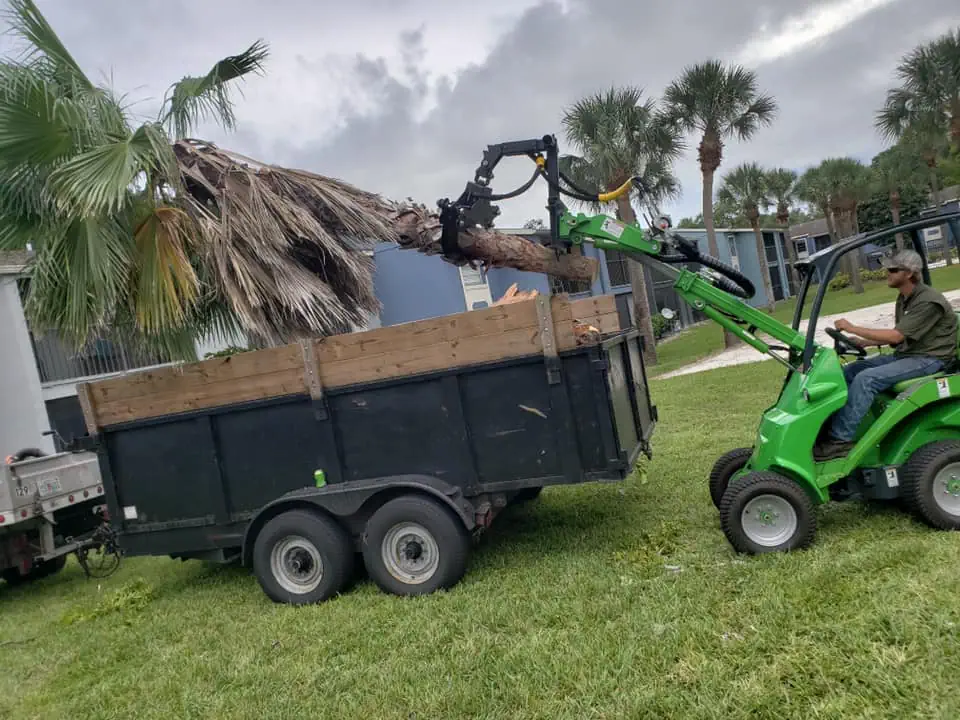
Many homeowners search for the City of Orlando tree removal rules after a tree starts leaning, cracking, or dropping limbs. They want a clear answer before any cutting begins. Most people ask one direct question. Do I need a permit to cut down a tree in Florida?
Local rules can feel confusing. State law allows certain removals. City and county rules still apply in many cases. Each property can face a different rule based on location, tree size, and tree type.
This guide explains the main rules for Orlando homeowners in plain terms. It covers the state law, the city rule, and the county rule. You will see what changes from one property to the next. You will learn which paperwork matters and how to avoid a costly mistake before a tree comes down.
The short answer
Some trees need a permit. Some do not.
Inside the City of Orlando, residential property owners do not need a permit for a dangerous tree if they have a report from a TRAQ-certified arborist or a Florida licensed landscape architect that confirms the tree poses a danger. Commercial property inside the city still needs a permit. The city says the address must sit inside Orlando city limits for those rules to apply.
Florida state law adds another layer. Section 163.045 says a local government may not require a notice, permit, fee, or mitigation for tree removal on residential property if the owner has documentation from an ISA-certified arborist or a Florida licensed landscape architect showing the tree poses an unacceptable risk to people or property. The law defines that residential property as a single-family detached home in residential use.
That means one thing for most homeowners. A hazardous tree at a single-family home may qualify for permit-free removal, but not every yard fits that rule.
Your address matters first
A lot of people say they live in Orlando. Their mail says Orlando. Their GPS says Orlando. The property itself may still sit in unincorporated Orange County.
That changes the answer right away.
The city of Orlando tree removal page only applies inside city limits. Orange County has its own permit rule. The county says a permit is required to remove a tree or multiple trees from private property unless the property fits an exception under county code.
That is why the first step is simple. Check the address and confirm the jurisdiction. A city lot follows one path. A county lot may follow another.
Florida law gives homeowners one big exception
Florida law gives homeowners a way to remove dangerous trees without much delay, but the rule is limited. The property must be a single-family home used for residential living. The tree must present a clear risk to people or to nearby structures. The owner must have signed documentation from an ISA-certified arborist or a Florida licensed landscape architect after an onsite assessment.
That paperwork is the key piece. A tree can look rough after wind and heavy rain. A dead limb can hang over a driveway. A trunk can split near the base. None of that proves the legal exemption on its own. The written assessment does that.
For homeowners in the Orlando area, this is where a local tree company can help. All Southern Outdoor serves Orange and Seminole counties, and the brand snapshot leans into practical help, straight answers, and Florida-specific tree care. That fits this kind of topic well. Homeowners need clear guidance, not a hard sell.
Cases that still call for a permit
The state exemption does not cover every property.
The City of Orlando says commercial property needs a tree permit. The city permit page lays out the application process, fees, and review steps.
Orange County keeps a wider permit system in place. Its permit page says a permit is required for tree removal from private property unless an exception applies. County guidance aimed at residents says permits are often required for certain large residential lots, vacant land, and undeveloped property. It notes added review for trees in wetlands and conservation areas.
Mistakes that cost homeowners time
The first mistake is acting on a guess.
A tree may look dead from the street. It may still need review. Florida law ties the exemption to a written risk assessment from a qualified professional.
The second mistake is mixing up city and county rules.
A homeowner may read the Orlando city page and assume it covers every Orlando mailing address. It does not. The city page says the property must be inside Orlando city limits. Orange County has a separate permit page and separate code sections.
The third mistake is waiting too long.
A leaning tree rarely gets safer with time. Cracks spread. Roots loosen. Storms hit hard in Central Florida. The safer move is an early inspection and a clear plan.
The fourth mistake is hiring a crew that does not explain the process. Homeowners want safe work, full cleanup, and no surprise charges. All Southern Outdoor speaks to those concerns in its brand snapshot. The company highlights fair pricing, complete cleanup, safety-first service, and help that feels neighborly.
A smarter way to handle tree removal
Start with the property location. Then get the tree inspected.
That two-step approach solves most of the confusion. A city property owner can review the Orlando rule. A county property owner can review the Orange County permit page. A homeowner with a hazardous tree can get the written assessment that Florida law requires.
This is one area where local experience matters. Florida trees take a beating from summer storms, wet soil, high winds, and long heat spells. A company that works in this area every day will spot the warning signs faster. All Southern Outdoor frames its service around that local knowledge. The company says it understands Florida’s trees and climate, serves families across the Orlando area, and offers tree inspections, emergency service, and help with insurance claims.
Storm damage makes the issue feel urgent
After a storm, many homeowners want the tree gone the same day. That reaction makes sense. A split oak over the roof or a pine leaning across the driveway feels like an emergency.
The legal rule still stays the same. The state exemption for hazardous tree removal rests on documentation from a qualified arborist or licensed landscape architect.
A responsive local crew helps a lot here. All Southern Outdoor says it offers emergency tree service, tree inspections, and insurance claim help across the Orlando metro area. The company’s voice snapshot uses calm, steady language for urgent situations, which fits storm damage work well. Homeowners need a fast response and a clear head.
What Orlando homeowners should remember
The permit question looks simple at first. The real answer sits in the details.
A dangerous tree at a single-family detached home may qualify for removal without a local permit under Florida law. A commercial property in the City of Orlando still needs a permit. A property in unincorporated Orange County may face county permit rules unless it fits a county exception.
The safest path is clear. Confirm the address. Confirm the property type. Get the tree inspected. Keep the paperwork. They leave yards clean and safe once the work ends.
That kind of help matters when a tree starts to cause real concern.